INDIANAPOLIS — A frustrated atmosphere surrounded the Indiana Fever locker room after a difficult playoff night, a sharp contrast to the energy and anticipation that filled the arena before tipoff. Indiana had just suffered a 102–85 defeat against the Las Vegas Aces, a game that featured momentum swings, missed opportunities, and a dominant individual performance that ultimately decided the outcome.

INDIANAPOLIS — A frustrated atmosphere surrounded the Indiana Fever locker room after a difficult playoff night, a sharp contrast to the energy and anticipation that filled the arena before tipoff. Indiana had just suffered a 102–85 defeat against the Las Vegas Aces, a game that featured momentum swings, missed opportunities, and a dominant individual performance that ultimately decided the outcome.
Before disappointment could fully turn into criticism, Indiana players and coaches emphasized the bigger picture. The Fever were not simply defeated by the scoreboard — they were challenged by a veteran opponent that executed better during the most important stretches of the game.
The highly anticipated matchup between Indiana’s rising young core and Las Vegas’ championship-caliber roster quickly became a test of composure under pressure. The Fever entered the game with confidence, matching the Aces’ intensity early and refusing to allow Las Vegas to control the tempo. Indiana created offensive opportunities, moved the ball effectively, and stayed within striking distance during the opening stages.
However, the momentum began to change when Las Vegas found its rhythm.
The Aces increased their defensive pressure, forced Indiana into difficult possessions, and began converting defensive stops into scoring opportunities. What was once a competitive battle slowly turned into a one-sided contest as Las Vegas built a significant advantage and controlled the pace.
At the center of the Aces’ dominance was A’ja Wilson, who delivered one of the most impressive performances of the postseason. The Las Vegas superstar controlled every aspect of the game, attacking the paint, creating second-chance opportunities, and making life difficult for Indiana’s offense.
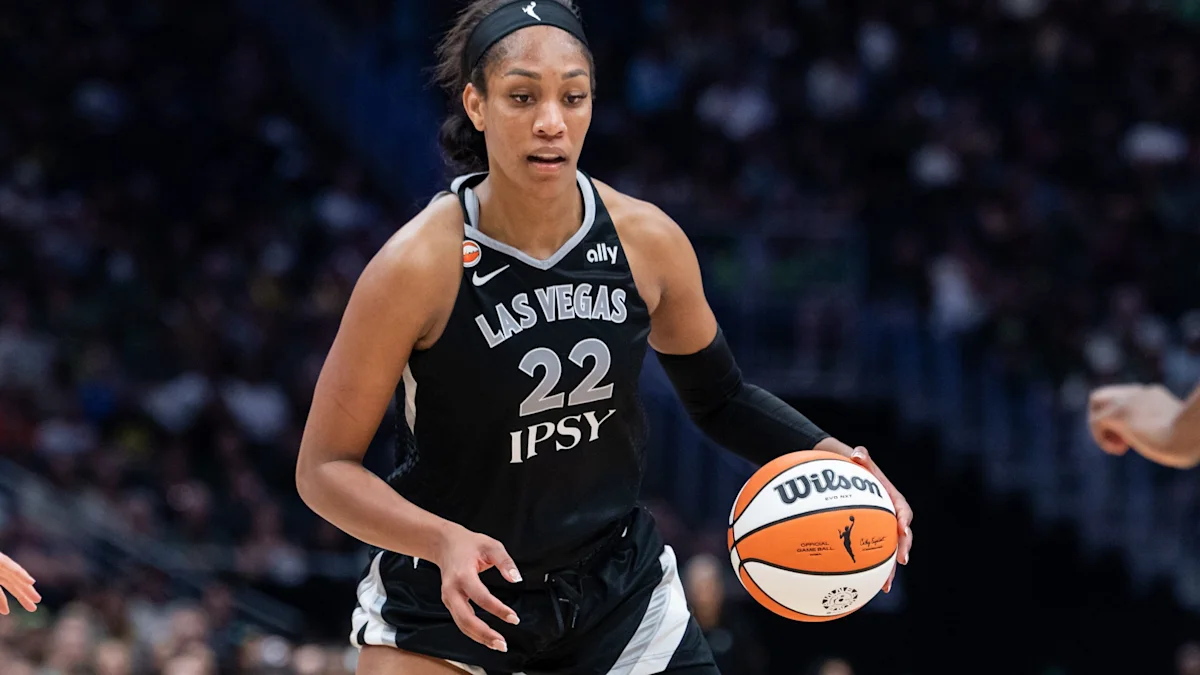
Wilson finished the night with 38 points, 16 rebounds, and 4 blocks, becoming the biggest difference-maker in the Aces’ victory. Every time Indiana attempted to cut into the deficit, Wilson responded with another crucial play that shifted momentum back toward Las Vegas.
Despite the difficult circumstances, the Fever continued fighting.
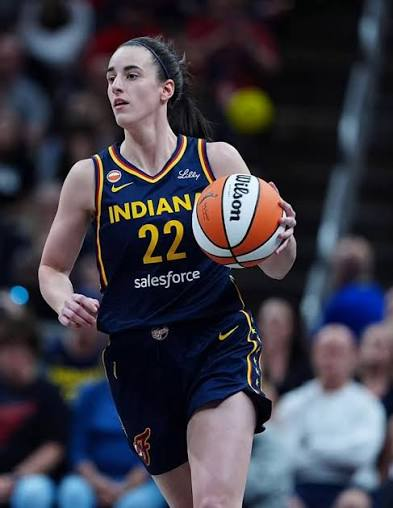
Caitlin Clark carried the responsibility of creating offense against one of the league’s toughest defenses, finishing with 15 points and 10 assists. Clark continued to attack, distribute, and keep Indiana competitive even when the Aces began pulling away.
Aliyah Boston also provided a strong interior performance, recording 18 points and 8 rebounds while battling against Las Vegas’ physical frontcourt.
But as the game progressed, Indiana struggled to maintain consistency. Turnovers, missed opportunities, and the inability to slow down Wilson’s impact allowed the Aces to extend their lead and secure the victory.
Following the final buzzer, the discussion quickly moved beyond the final score.
Several moments involving physical defense and officiating decisions became major topics among fans and analysts. Throughout the game, both teams played with playoff-level intensity, leading to debate over whether the standard for contact remained consistent during crucial moments.
Indiana supporters questioned certain no-call situations when the Fever attempted to build momentum, arguing that some defensive sequences could have been interpreted differently. Meanwhile, Las Vegas supporters pointed to the team’s aggressive style and ability to handle the physical nature of playoff basketball.
Another major storyline was the series of momentum-changing plays. Whenever Indiana appeared close to making a comeback, Las Vegas responded with timely baskets and defensive stops. The Aces’ experience showed in those moments, allowing them to remain composed while the Fever searched for answers.
Inside the Indiana locker room, the message was focused on improvement rather than excuses. The Fever acknowledged the challenge of facing an experienced playoff opponent and recognized that small mistakes against a team like Las Vegas can quickly become costly.
The final numbers tell the official story:
Las Vegas Aces 102
Indiana Fever 85
But the aftermath revealed a deeper conversation.
The Aces walked away with a statement victory built on experience, execution, and A’ja Wilson’s extraordinary performance.
The Fever walked away with frustration, questions about key moments, and valuable lessons from a playoff battle against one of the league’s elite teams.
For Las Vegas, it was another reminder of championship-level composure.
For Indiana, it was another step in learning what it takes to compete when every possession matters.
Before disappointment could fully turn into criticism, Indiana players and coaches emphasized the bigger picture. The Fever were not simply defeated by the scoreboard — they were challenged by a veteran opponent that executed better during the most important stretches of the game.
The highly anticipated matchup between Indiana’s rising young core and Las Vegas’ championship-caliber roster quickly became a test of composure under pressure. The Fever entered the game with confidence, matching the Aces’ intensity early and refusing to allow Las Vegas to control the tempo. Indiana created offensive opportunities, moved the ball effectively, and stayed within striking distance during the opening stages.
However, the momentum began to change when Las Vegas found its rhythm.
The Aces increased their defensive pressure, forced Indiana into difficult possessions, and began converting defensive stops into scoring opportunities. What was once a competitive battle slowly turned into a one-sided contest as Las Vegas built a significant advantage and controlled the pace.
At the center of the Aces’ dominance was A’ja Wilson, who delivered one of the most impressive performances of the postseason. The Las Vegas superstar controlled every aspect of the game, attacking the paint, creating second-chance opportunities, and making life difficult for Indiana’s offense.
Wilson finished the night with 38 points, 16 rebounds, and 4 blocks, becoming the biggest difference-maker in the Aces’ victory. Every time Indiana attempted to cut into the deficit, Wilson responded with another crucial play that shifted momentum back toward Las Vegas.
Despite the difficult circumstances, the Fever continued fighting.
Caitlin Clark carried the responsibility of creating offense against one of the league’s toughest defenses, finishing with 15 points and 10 assists. Clark continued to attack, distribute, and keep Indiana competitive even when the Aces began pulling away.
Aliyah Boston also provided a strong interior performance, recording 18 points and 8 rebounds while battling against Las Vegas’ physical frontcourt.
But as the game progressed, Indiana struggled to maintain consistency. Turnovers, missed opportunities, and the inability to slow down Wilson’s impact allowed the Aces to extend their lead and secure the victory.
Following the final buzzer, the discussion quickly moved beyond the final score.
Several moments involving physical defense and officiating decisions became major topics among fans and analysts. Throughout the game, both teams played with playoff-level intensity, leading to debate over whether the standard for contact remained consistent during crucial moments.
Indiana supporters questioned certain no-call situations when the Fever attempted to build momentum, arguing that some defensive sequences could have been interpreted differently. Meanwhile, Las Vegas supporters pointed to the team’s aggressive style and ability to handle the physical nature of playoff basketball.
Another major storyline was the series of momentum-changing plays. Whenever Indiana appeared close to making a comeback, Las Vegas responded with timely baskets and defensive stops. The Aces’ experience showed in those moments, allowing them to remain composed while the Fever searched for answers.
Inside the Indiana locker room, the message was focused on improvement rather than excuses. The Fever acknowledged the challenge of facing an experienced playoff opponent and recognized that small mistakes against a team like Las Vegas can quickly become costly.
The final numbers tell the official story:
Las Vegas Aces 102
Indiana Fever 85
But the aftermath revealed a deeper conversation.
The Aces walked away with a statement victory built on experience, execution, and A’ja Wilson’s extraordinary performance.
The Fever walked away with frustration, questions about key moments, and valuable lessons from a playoff battle against one of the league’s elite teams.
For Las Vegas, it was another reminder of championship-level composure.
For Indiana, it was another step in learning what it takes to compete when every possession matters.
INDIANAPOLIS — A frustrated atmosphere surrounded the Indiana Fever locker room after a difficult playoff night, a sharp contrast to the energy and anticipation that filled the arena before tipoff. Indiana had just suffered a 102–85 defeat against the Las Vegas Aces, a game that featured momentum swings, missed opportunities, and a dominant individual performance that ultimately decided the outcome.
INDIANAPOLIS — A frustrated atmosphere surrounded the Indiana Fever locker room after a difficult playoff night, a sharp contrast to the energy and anticipation that filled the arena before tipoff. Indiana had just suffered a 102–85 defeat against the Las Vegas Aces, a game that featured momentum swings, missed opportunities, and a dominant individual performance that ultimately decided the outcome.
Before disappointment could fully turn into criticism, Indiana players and coaches emphasized the bigger picture. The Fever were not simply defeated by the scoreboard — they were challenged by a veteran opponent that executed better during the most important stretches of the game.
The highly anticipated matchup between Indiana’s rising young core and Las Vegas’ championship-caliber roster quickly became a test of composure under pressure. The Fever entered the game with confidence, matching the Aces’ intensity early and refusing to allow Las Vegas to control the tempo. Indiana created offensive opportunities, moved the ball effectively, and stayed within striking distance during the opening stages.
However, the momentum began to change when Las Vegas found its rhythm.
The Aces increased their defensive pressure, forced Indiana into difficult possessions, and began converting defensive stops into scoring opportunities. What was once a competitive battle slowly turned into a one-sided contest as Las Vegas built a significant advantage and controlled the pace.
At the center of the Aces’ dominance was A’ja Wilson, who delivered one of the most impressive performances of the postseason. The Las Vegas superstar controlled every aspect of the game, attacking the paint, creating second-chance opportunities, and making life difficult for Indiana’s offense.
Wilson finished the night with 38 points, 16 rebounds, and 4 blocks, becoming the biggest difference-maker in the Aces’ victory. Every time Indiana attempted to cut into the deficit, Wilson responded with another crucial play that shifted momentum back toward Las Vegas.
Despite the difficult circumstances, the Fever continued fighting.
Caitlin Clark carried the responsibility of creating offense against one of the league’s toughest defenses, finishing with 15 points and 10 assists. Clark continued to attack, distribute, and keep Indiana competitive even when the Aces began pulling away.
Aliyah Boston also provided a strong interior performance, recording 18 points and 8 rebounds while battling against Las Vegas’ physical frontcourt.
But as the game progressed, Indiana struggled to maintain consistency. Turnovers, missed opportunities, and the inability to slow down Wilson’s impact allowed the Aces to extend their lead and secure the victory.
Following the final buzzer, the discussion quickly moved beyond the final score.
Several moments involving physical defense and officiating decisions became major topics among fans and analysts. Throughout the game, both teams played with playoff-level intensity, leading to debate over whether the standard for contact remained consistent during crucial moments.
Indiana supporters questioned certain no-call situations when the Fever attempted to build momentum, arguing that some defensive sequences could have been interpreted differently. Meanwhile, Las Vegas supporters pointed to the team’s aggressive style and ability to handle the physical nature of playoff basketball.
Another major storyline was the series of momentum-changing plays. Whenever Indiana appeared close to making a comeback, Las Vegas responded with timely baskets and defensive stops. The Aces’ experience showed in those moments, allowing them to remain composed while the Fever searched for answers.
Inside the Indiana locker room, the message was focused on improvement rather than excuses. The Fever acknowledged the challenge of facing an experienced playoff opponent and recognized that small mistakes against a team like Las Vegas can quickly become costly.
The final numbers tell the official story:
Las Vegas Aces 102
Indiana Fever 85
But the aftermath revealed a deeper conversation.
The Aces walked away with a statement victory built on experience, execution, and A’ja Wilson’s extraordinary performance.
The Fever walked away with frustration, questions about key moments, and valuable lessons from a playoff battle against one of the league’s elite teams.
For Las Vegas, it was another reminder of championship-level composure.
For Indiana, it was another step in learning what it takes to compete when every possession matters.
Before disappointment could fully turn into criticism, Indiana players and coaches emphasized the bigger picture. The Fever were not simply defeated by the scoreboard — they were challenged by a veteran opponent that executed better during the most important stretches of the game.
The highly anticipated matchup between Indiana’s rising young core and Las Vegas’ championship-caliber roster quickly became a test of composure under pressure. The Fever entered the game with confidence, matching the Aces’ intensity early and refusing to allow Las Vegas to control the tempo. Indiana created offensive opportunities, moved the ball effectively, and stayed within striking distance during the opening stages.
However, the momentum began to change when Las Vegas found its rhythm.
The Aces increased their defensive pressure, forced Indiana into difficult possessions, and began converting defensive stops into scoring opportunities. What was once a competitive battle slowly turned into a one-sided contest as Las Vegas built a significant advantage and controlled the pace.
At the center of the Aces’ dominance was A’ja Wilson, who delivered one of the most impressive performances of the postseason. The Las Vegas superstar controlled every aspect of the game, attacking the paint, creating second-chance opportunities, and making life difficult for Indiana’s offense.
Wilson finished the night with 38 points, 16 rebounds, and 4 blocks, becoming the biggest difference-maker in the Aces’ victory. Every time Indiana attempted to cut into the deficit, Wilson responded with another crucial play that shifted momentum back toward Las Vegas.
Despite the difficult circumstances, the Fever continued fighting.
Caitlin Clark carried the responsibility of creating offense against one of the league’s toughest defenses, finishing with 15 points and 10 assists. Clark continued to attack, distribute, and keep Indiana competitive even when the Aces began pulling away.
Aliyah Boston also provided a strong interior performance, recording 18 points and 8 rebounds while battling against Las Vegas’ physical frontcourt.
But as the game progressed, Indiana struggled to maintain consistency. Turnovers, missed opportunities, and the inability to slow down Wilson’s impact allowed the Aces to extend their lead and secure the victory.
Following the final buzzer, the discussion quickly moved beyond the final score.
Several moments involving physical defense and officiating decisions became major topics among fans and analysts. Throughout the game, both teams played with playoff-level intensity, leading to debate over whether the standard for contact remained consistent during crucial moments.
Indiana supporters questioned certain no-call situations when the Fever attempted to build momentum, arguing that some defensive sequences could have been interpreted differently. Meanwhile, Las Vegas supporters pointed to the team’s aggressive style and ability to handle the physical nature of playoff basketball.
Another major storyline was the series of momentum-changing plays. Whenever Indiana appeared close to making a comeback, Las Vegas responded with timely baskets and defensive stops. The Aces’ experience showed in those moments, allowing them to remain composed while the Fever searched for answers.
Inside the Indiana locker room, the message was focused on improvement rather than excuses. The Fever acknowledged the challenge of facing an experienced playoff opponent and recognized that small mistakes against a team like Las Vegas can quickly become costly.
The final numbers tell the official story:
Las Vegas Aces 102
Indiana Fever 85
But the aftermath revealed a deeper conversation.
The Aces walked away with a statement victory built on experience, execution, and A’ja Wilson’s extraordinary performance.
The Fever walked away with frustration, questions about key moments, and valuable lessons from a playoff battle against one of the league’s elite teams.
For Las Vegas, it was another reminder of championship-level composure.
For Indiana, it was another step in learning what it takes to compete when every possession matters.